Getting Started in Medical Sales: What the Job Really Looks Like Day-to-Day
Medical sales is one of those fields that carries a lot of buzz—and for good reason. It offers the chance to build real relationships, solve complex problems, and make an impact in the healthcare space. There’s potential for great income and long-term career growth.
But if you’re just starting out, it’s easy to underestimate what the job really feels like on a day-to-day basis. The truth is, it’s not all sleek pitch decks and closing deals in boardrooms. A big part of the job—the part that doesn’t get shown on LinkedIn—is spent behind the wheel.
Your Car Is Your Office
In field-based medical sales, your car becomes your most-used workspace. Most reps cover large territories, whether it’s across a city or multiple states. That means your day often starts before 7 AM with a long drive to your first appointment—and ends after 6 PM when you’re just pulling out of your last account’s parking lot.
In between, you’re constantly moving:
- Driving between hospitals, clinics, and labs
- Making follow-up calls in the car
- Logging notes from appointments while parked
- Grabbing lunch from a drive-thru
- Managing samples, paperwork, devices, and literature—all from your trunk
When you add in the unpredictability of traffic, last-minute cancellations, or a doctor running an hour behind, staying sharp gets difficult fast. You need to be ready for anything—every single day.
Time Management Isn’t Optional—It’s Everything
There’s no boss watching over your shoulder. You set your schedule. That freedom is a blessing and a curse—because without strong time management, it’s easy to lose whole chunks of your day without realizing it.
The best reps I’ve worked with (and learned from) have one thing in common: they treat their day like a logistics puzzle. They plan routes with purpose. They cluster appointments by geography. They leave buffer time for follow-ups, note-taking, or quick check-ins.
And they’re proactive—not reactive. They don’t wait for things to fall apart to start getting organized.
When your day lives and dies by the clock and the road, every decision counts.
Why Organization Closes Deals
Here’s something a lot of people miss when getting into sales: deals aren’t closed in the meeting—they’re closed in the follow-up.
You can have the best pitch in the world, but if your notes are scattered, your calendar’s a mess, and your car is a disaster zone, your credibility takes a hit. Providers can tell. Efficiency builds trust.
When you’re organized, you’re able to:
- Show up early and prepared
- Follow up with accurate, personalized info
- Send samples or quotes quickly
- Keep track of where each conversation left off
- Reduce errors and back-and-forth delays
In a high-touch, relationship-based role like medical sales, those small differences compound over time—and they matter.
Building a Mobile Command Center
To succeed on the road, you’ve got to think like a remote worker and a logistics manager, all while selling.
Your car should be more than transportation—it should be a functional workspace:
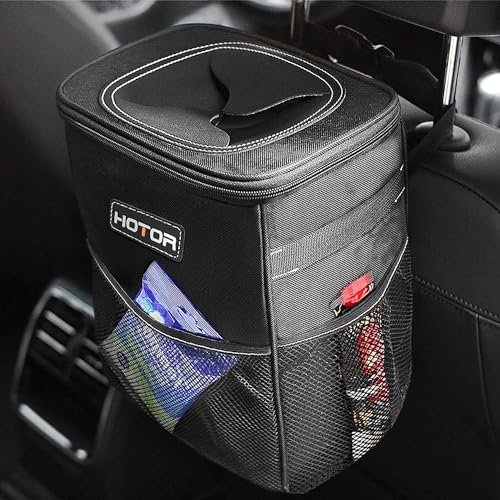
- Keep your materials tidy and accessible
- Set up charging stations for devices
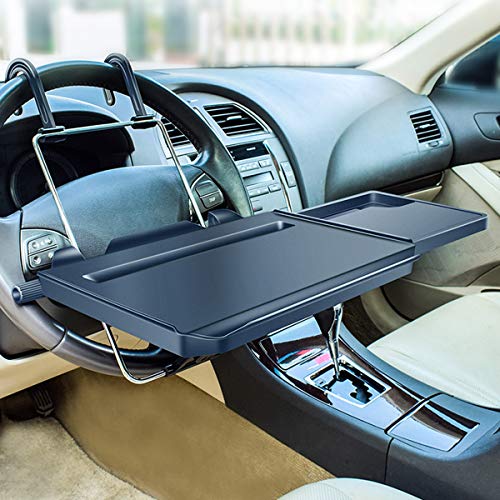
- Use a car desk or clipboard to write notes on the go
- Pre-pack backup supplies: pens, chargers, snacks, sanitizer, you name it
- Make use of downtime (like sitting in a waiting room or between appointments) to prep or debrief
The goal isn’t to eliminate chaos—because some chaos is inevitable. It’s to stay one step ahead of it.
Tools Can Make or Break Your Workflow
Being efficient and organized doesn’t mean doing everything manually. In fact, the right tools can save you hours each week and prevent missed opportunities.
Whether you’re new to the industry or a few months in and feeling overwhelmed, investing in the right systems and gear can make a huge difference.
Here’s a list of tools and products that can make life on the road more efficient, organized, and productive:



Medical sales is rewarding—but it’s demanding in ways that most people don’t see from the outside. Long days, long drives, and constant motion can wear you down. But with the right systems, tools, and mindset, you can turn your car into a high-performance workspace and your days into a well-run operation.
Efficiency isn’t just a personal advantage—it’s a professional edge. Start there, work hard, and the rest will follow.